Biblical and Historical Paintings
Drost's biblical and historical paintings form the cornerstone of his oeuvre. Ranging from Old Testament narratives to classical mythology, these works demonstrate his mastery of composition, his deep understanding of Rembrandt's dramatic storytelling, and his own emerging artistic voice.
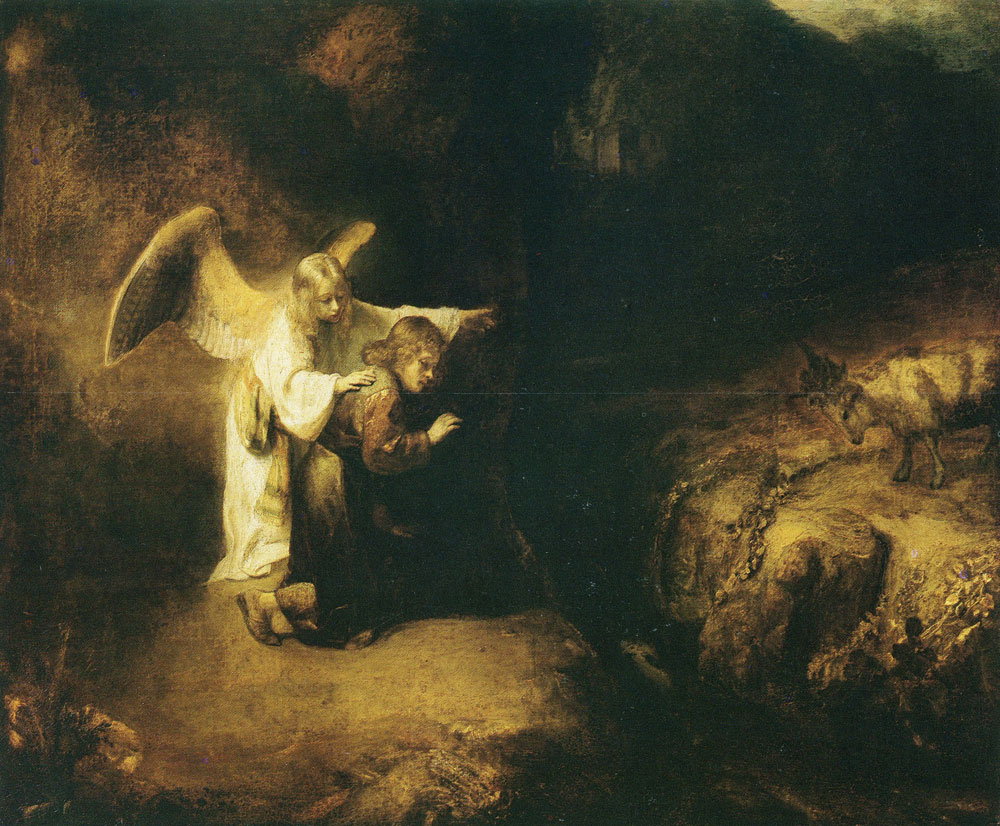
The Vision of Daniel
1650, Gemäldegalerie, Berlin
An early masterwork depicting the prophet Daniel receiving a divine vision. The dramatic chiaroscuro and emotional intensity reveal Drost's deep understanding of Rembrandt's techniques while hinting at his own developing style.
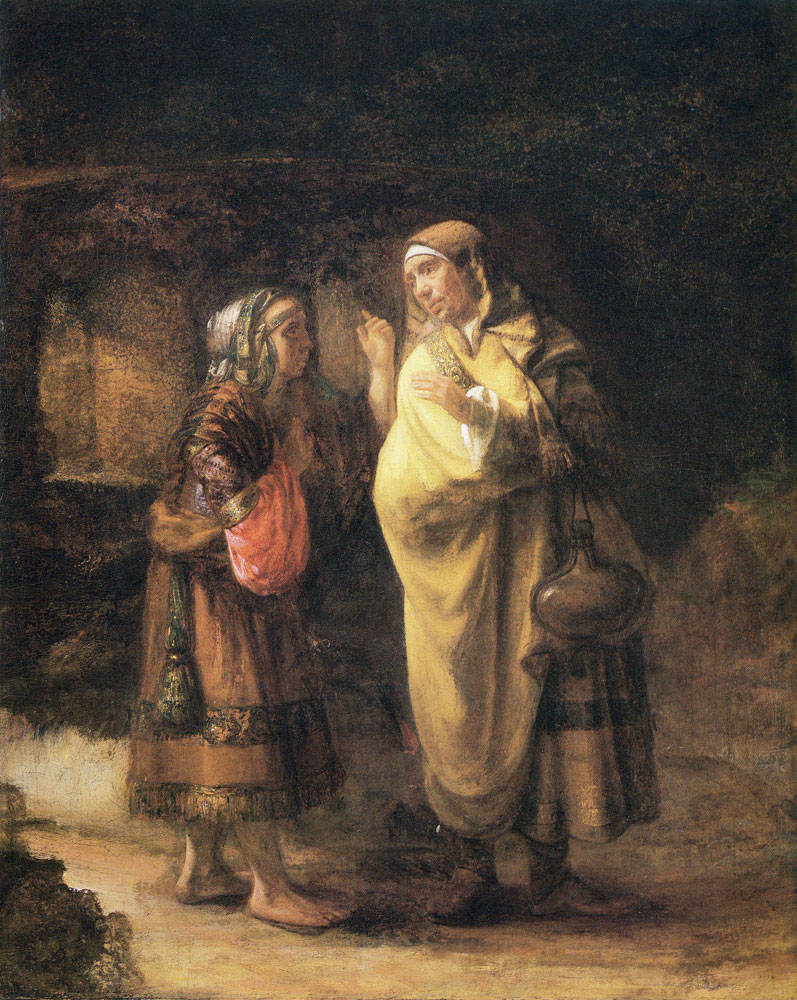
Ruth and Naomi on the road to Bethlehem
c. 1651, Ashmolean Museum, Oxford
A tender biblical scene showing Ruth and Naomi embracing on the road to Bethlehem. The intimate composition focuses on the emotional bond between the two women.
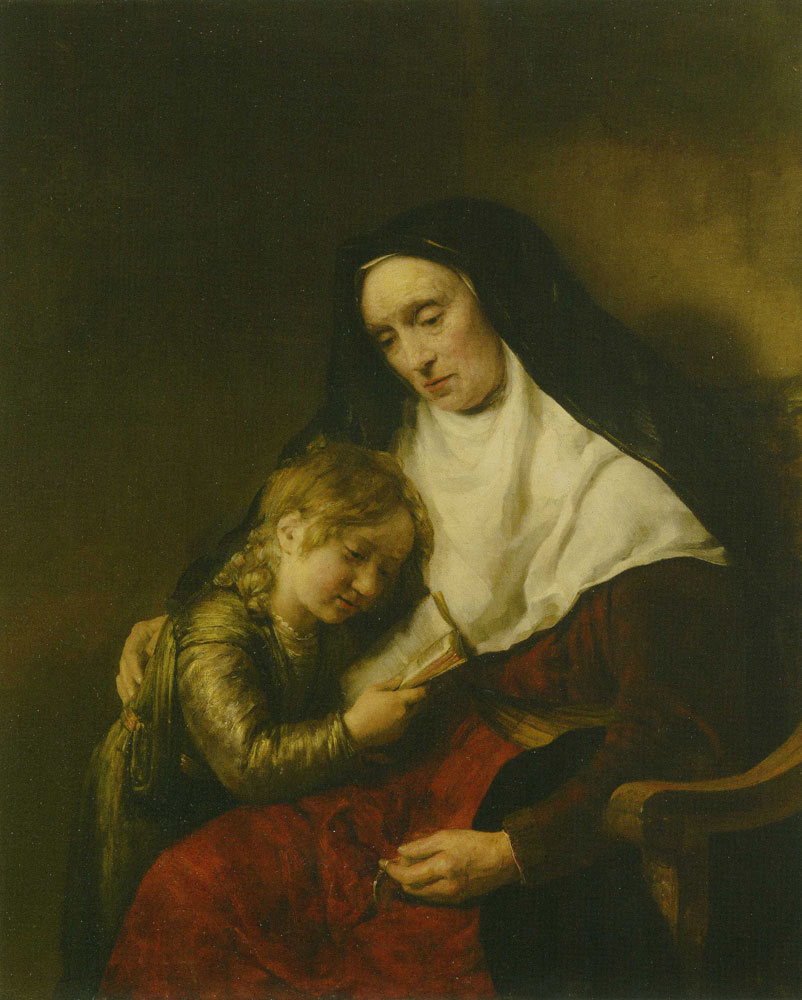
Timothy and Lois
c. 1650s, Hermitage Museum, St. Petersburg
Depicting the biblical scene of Timothy with his grandmother Lois (also known as "The Prophetess Anna Instructing a Child"). The intergenerational relationship is rendered with sensitivity and warmth. For two centuries this was considered one of the Hermitage's best Rembrandts.
The Philosopher
1653, National Gallery of Art, Washington, DC
A contemplative figure studies ancient texts by candlelight. The painting exemplifies Drost's interest in solitary scholars and the pursuit of knowledge, a theme common in Dutch Golden Age painting.
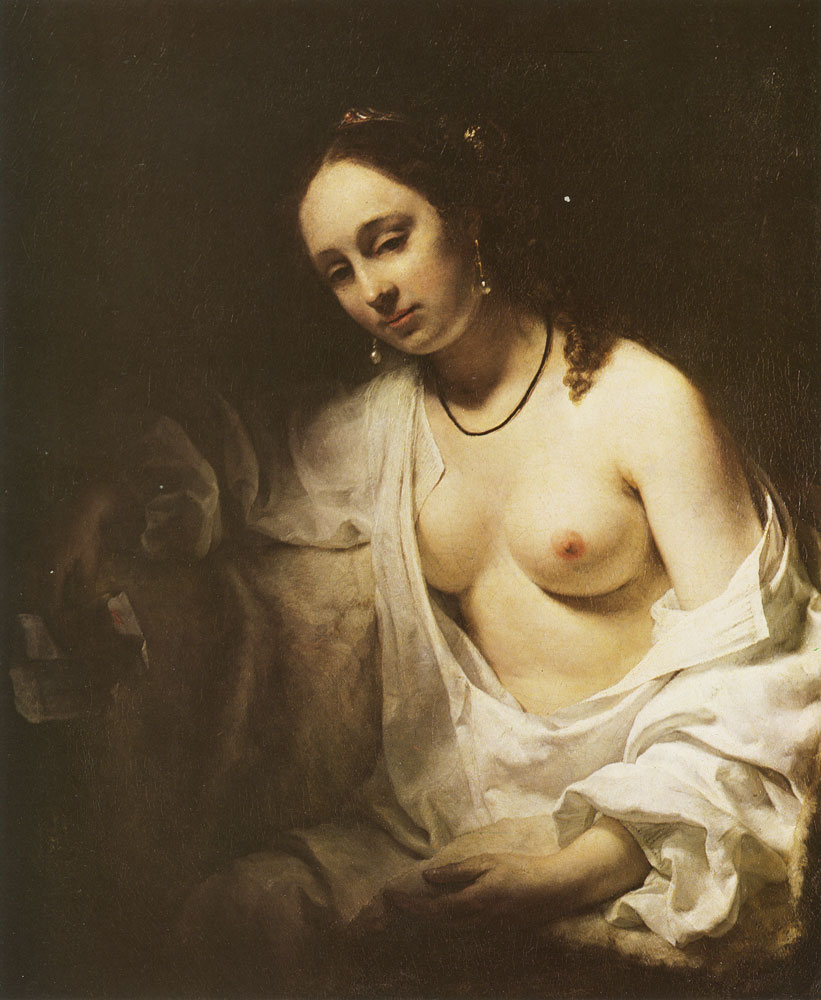
Bathsheba with King David's Letter
1654, Louvre, Paris
Drost's most celebrated work, depicting Bathsheba holding King David's letter. The painting is remarkable for its psychological complexity and masterful handling of light and texture.
The Unmerciful Servant
1655, Wallace Collection, London
A dramatic biblical parable rendered with emotional intensity. The painting captures the moment of confrontation between the king and the unforgiving servant.
Abraham Casting Out Hagar & Ishmael
c. 1659, Guilford College, Greensboro, NC
A large-scale biblical scene depicting Abraham sending Hagar and Ishmael into the wilderness. The emotional weight of the narrative is conveyed through gesture and composition.
St. Matthew and the Angel
1659, North Carolina Museum of Art, Raleigh
The evangelist Matthew receives divine inspiration from an angel. This late work demonstrates Drost's mature style and his continued exploration of religious themes.
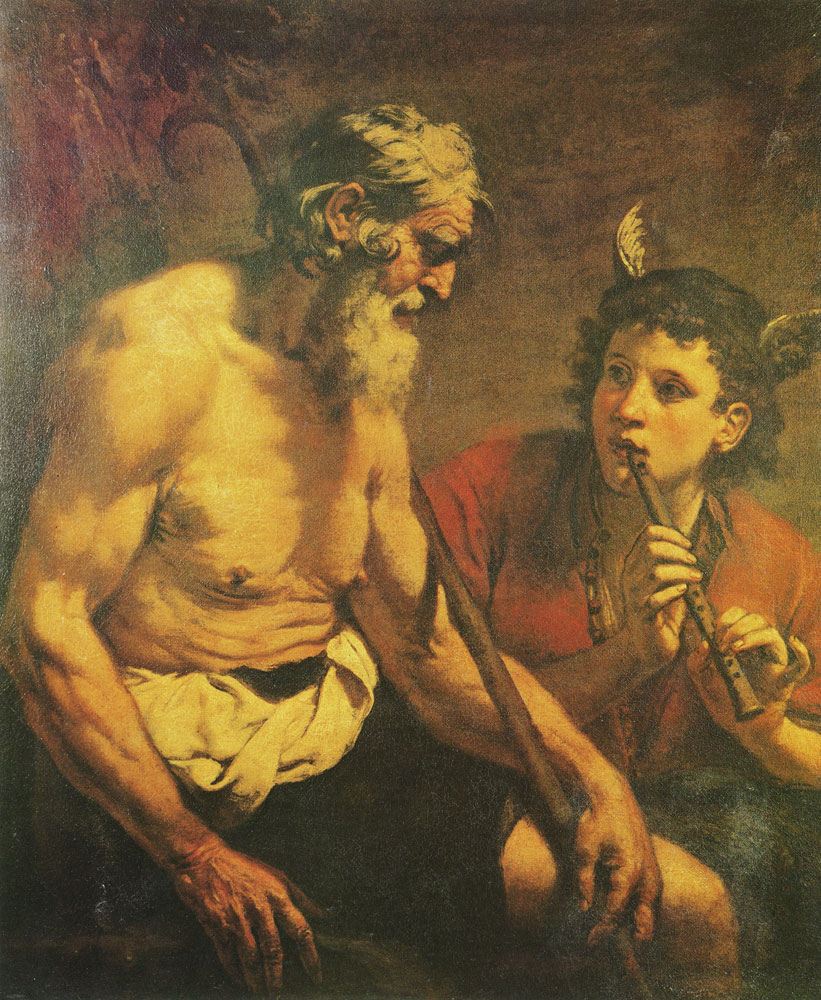
Mercury and Argus
c. 1659, Gemäldegalerie Alte Meister, Dresden
A classical mythological scene depicting Mercury lulling Argus to sleep with his flute. This is one of Drost's few known mythological subjects.
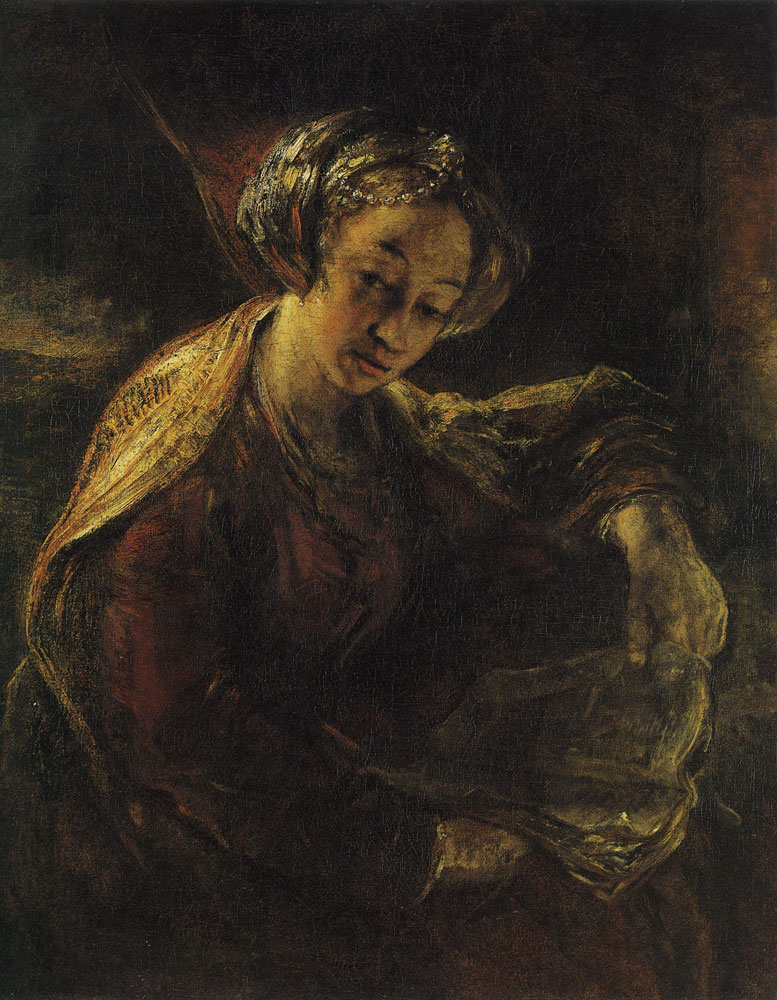
The Sibyl
c. 1654, Metropolitan Museum of Art, New York
A half-length depiction of a Sibyl — a prophetic figure from classical antiquity — holding a book. The subject reflects Drost's engagement with classical themes alongside his biblical works.
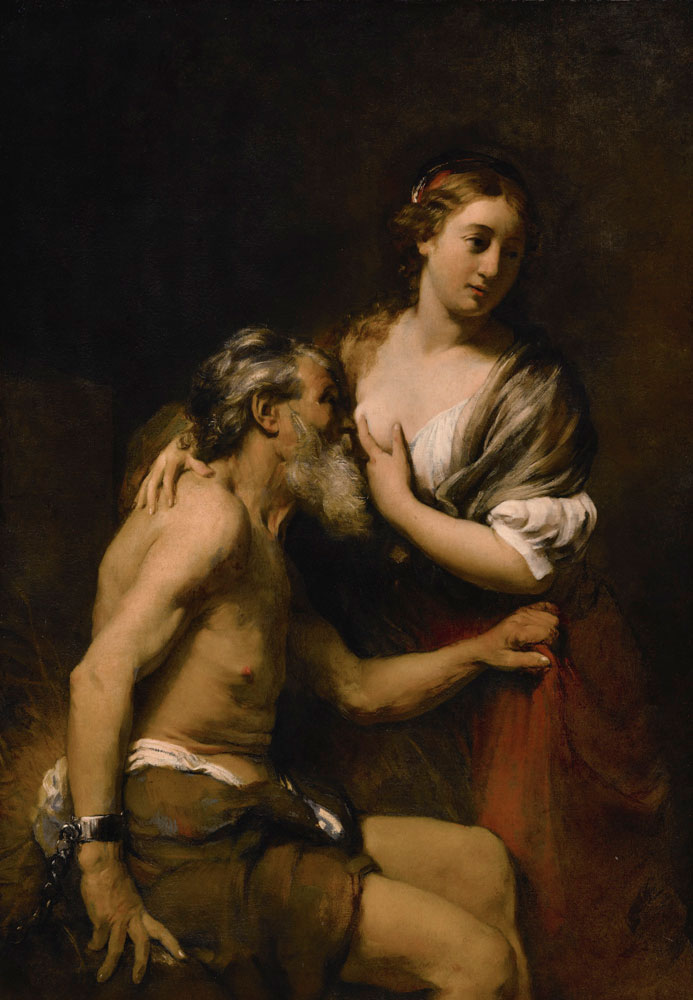
Roman Charity (Cimon and Pero)
1655–57, Private Collection
A dramatic rendering of the classical story of Cimon and Pero — also known as Roman Charity — in which the daughter Pero secretly breastfeeds her imprisoned father Cimon to save him from starvation. The theme of filial piety was popular in Baroque painting.